
Getting lost with the soil: reflections on the Whithorn Way
The sun rises over St Ninian’s Priory and the remains of Whithorn Cathedral, on Stage 13 of the Whithorn Way.
The natural environment can be truly stunning. Whilst conducting a soil sampling campaign in southern Scotland recently, I was fortunate enough to squeeze in the time to walk a small section of the Whithorn Way at sunrise. Penitent sinners have traversed the Whithorn Way, for more than a millennium, a route winding 155 miles from Glasgow to Scotland’s southern coast. In the twenty-first century, at five in the morning however, I was alone with just the cows and my thoughts. In other words, it was exactly what I needed. Reflecting back on my photographs, it is not hard to see why it was such a welcome break in my schedule, the beauty of the landscape contrasting several pictures of random stones and soil pits:
Lost to the Soil
Having left the beauty of Whithorn’s churches behind, this stage of the Whithorn Way largely winds through agricultural land. With little to no phone signal, stumbling around a few fields whilst trying not to get too disorientated is an inevitability. If you can find all of the ‘hidden’ signposts, you should emerge at a former Iron Age settlement, Rispain Camp. Much of what we know of Rispain Camp itself, stems from the amazing action of soil, preserving the remnant of human history in the landscape. No trip to Whithorn is complete without a visit to the reconstructed roundhouse, with many of the details gathered from how well-preserved similar structures floorplans have been in other sites uncovered in peaty soil. Their secrets now unearthed and guiding humans in our own history.
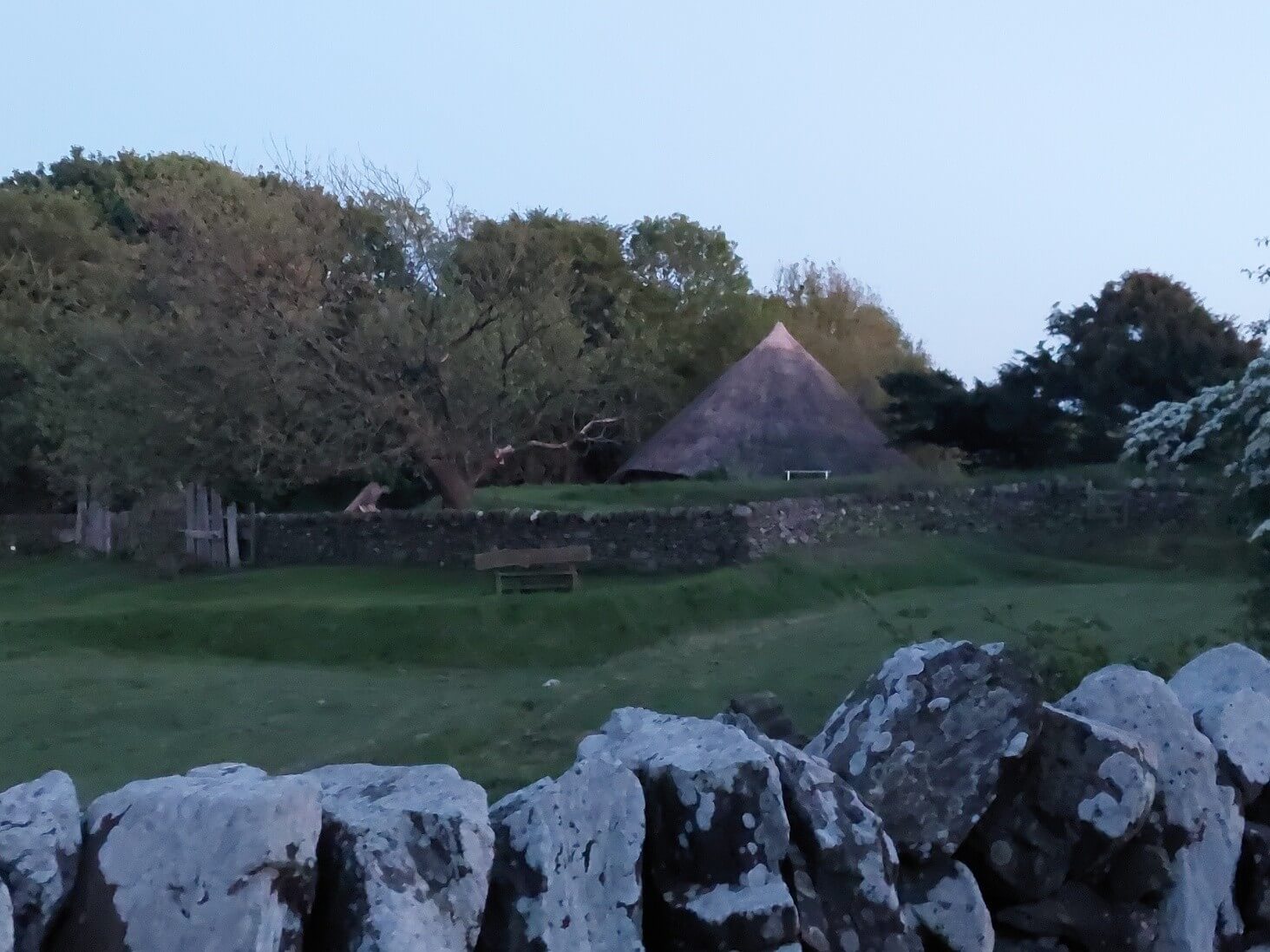
The reconstructed Iron Age roundhouse at the Whithorn Story, welcomes cyclists and walkers back into the burgh.
Losing to the Soil
Unlike the route markers, the signs of soil are everywhere on this route, yet they too can also be largely invisible. It is after all far easier to be distracted by the early morning sun, or the historic landmarks bookending the route. Many of these landmarks are built from the local greywacke rocks, from which the soil also evolved.
Across much of southern Galloway, the soil is peppered with these rocks, which make agriculture (or in my case taking soil profiles) a little bit more challenging. This is also something special though, it means that experiencing the soil in this part of the world is something different from experiencing other soils, due to the specific formation. I doubt Whithorn has many tourists who have appeared specifically to experience the distinctiveness of this soil, but the landscape simply would not exist without the soil influencing everything from what plants can grow through to the areas with higher flooding risks.
Whether or not we always typically are concerned about the importance of such soil is another question, even when the very stone it derived from is everywhere in the more urban landscape. I find that especially in such a historic location, if we do consider soil, there is a temptation to be lulled into the feeling that the soil has been and will be forever as it is.
Yet soil is an ever-evolving beast with a complex relationship with humanity.
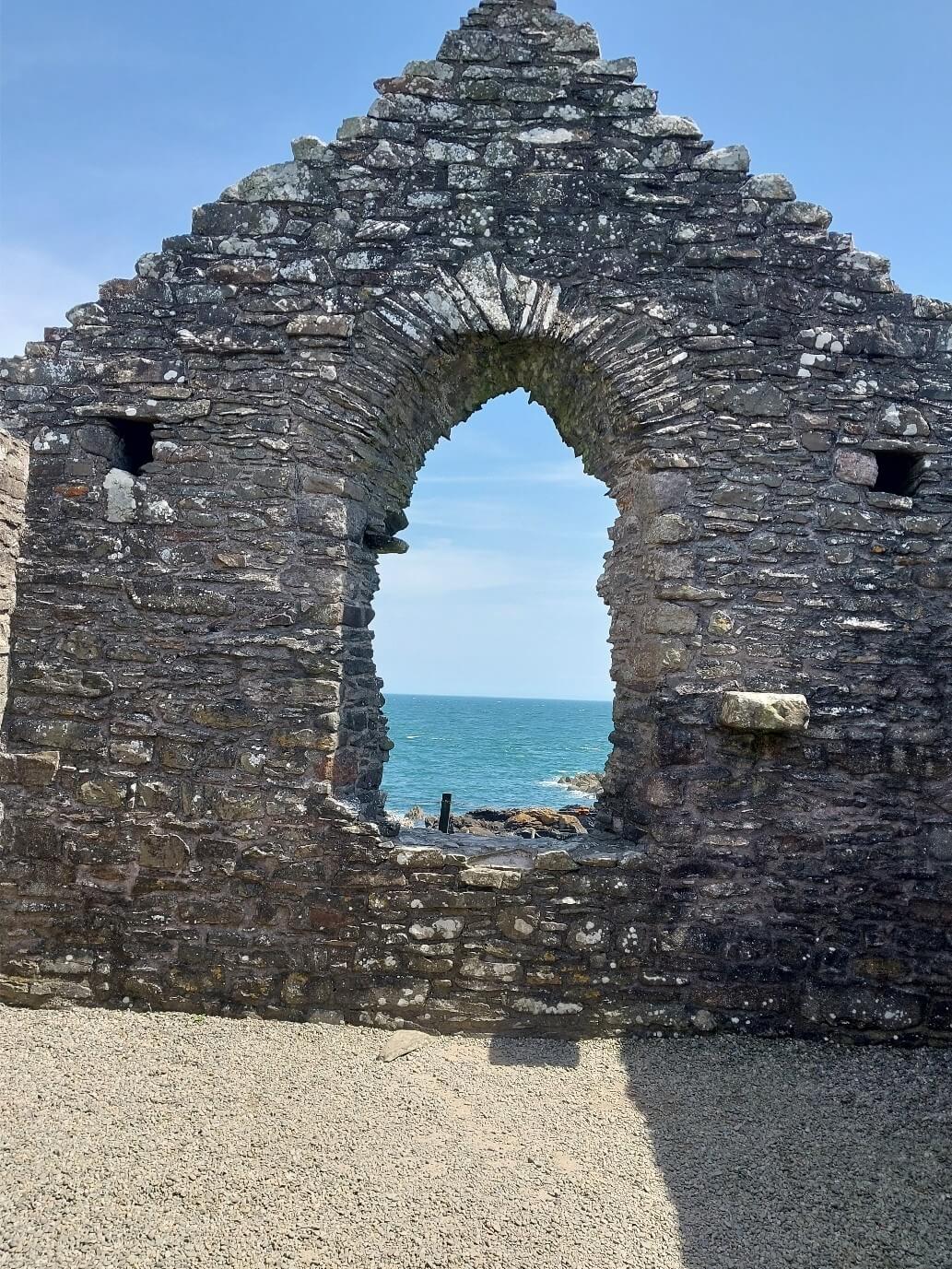
The local geology and masonry skills of yore are in clear display at the end of the at St Ninian’s Chapel, Isle of Whithorn.
If we do not take adequate care of our soil’s they degrade in condition, in more extreme situations they are paved over or dug up and eliminated from the landscape. Maintaining healthy, high condition soil is essential to the functioning and shaping of the entire landscape. From a human perspective, there are many reasons to care about this. For me, the gorgeously calming view, aromas and fresh air from the plants growing up from the soil, was worth experiencing. These ecosystem services, the human benefits are aplenty from soil and make the condition of our soil worth caring about.
Yet soil does so much more than simply facilitate benefits for us as humans. As an integral part of the Earth, soil is a part of the global planetary systems, influencing all life on the planet. Soil might be less obvious than over freely moving components of our planet such as air or water, which certainly can make their presence felt with the Scottish weather, but it demands the same respect. Soil is just as integral to servicing the solutions to the major problems of our time.
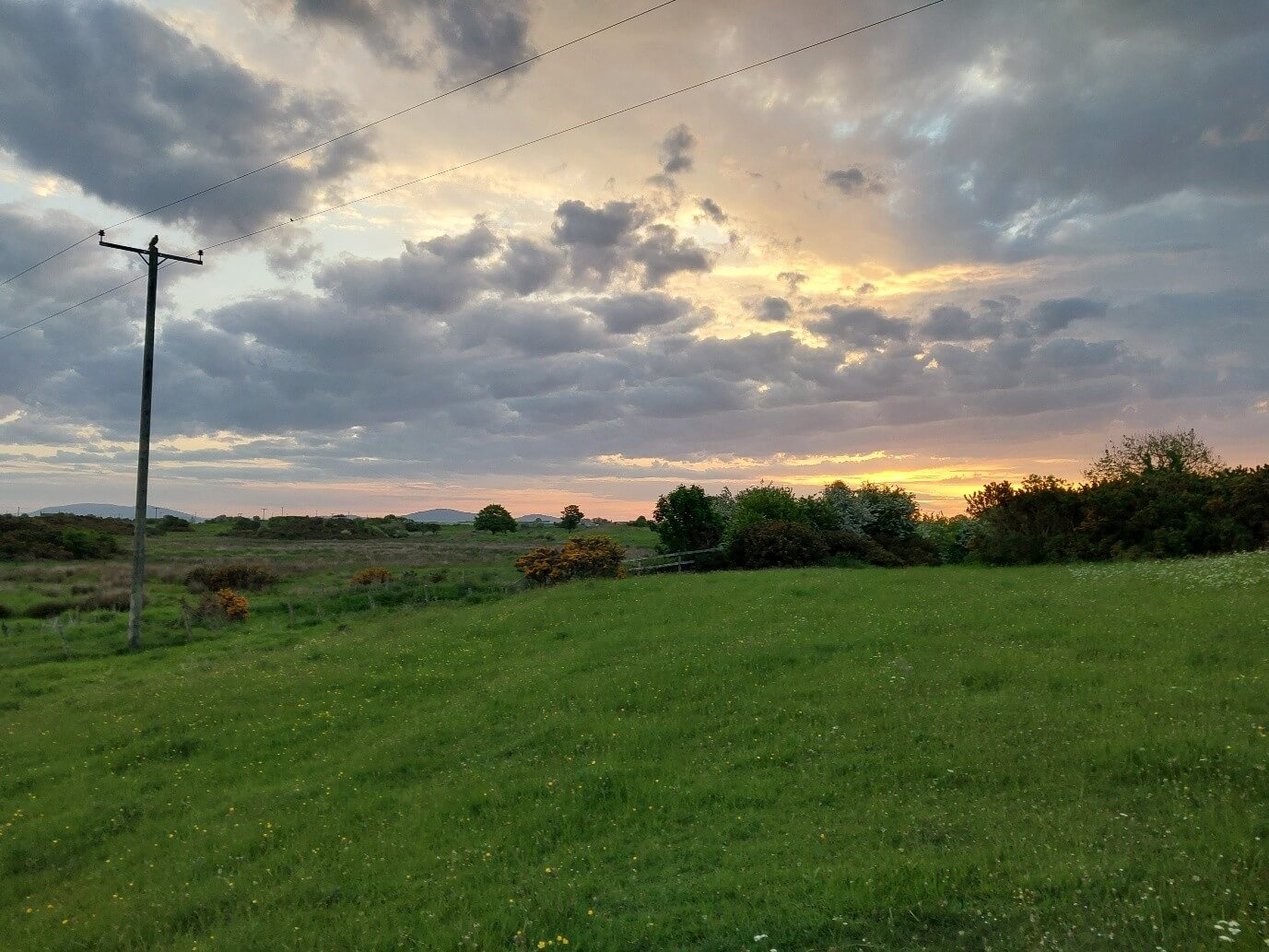
Soil security influencing the local energy supply by firmly holding up a power line on the Whithorn Way.
Conclusion: Preventing the Loss of Soil
The future doesn’t have to be bleak for our soil, ourselves or our planet. We can each do our bit to take care of soil, starting with recognising its importance both locally and globally. What that looks like for each of us will depend on the interactions with soil each of us finds ourselves having. If we want to achieve soil security, it will however take effort to prevent soil from being lost in the noise of life and becoming just another of the one-hundred and one other pressing issues of the world.
It is time to appreciate and advocate for our soil, whether we view them as the most instagrammable or not. Perhaps we need to do so all the more due to that very perception.
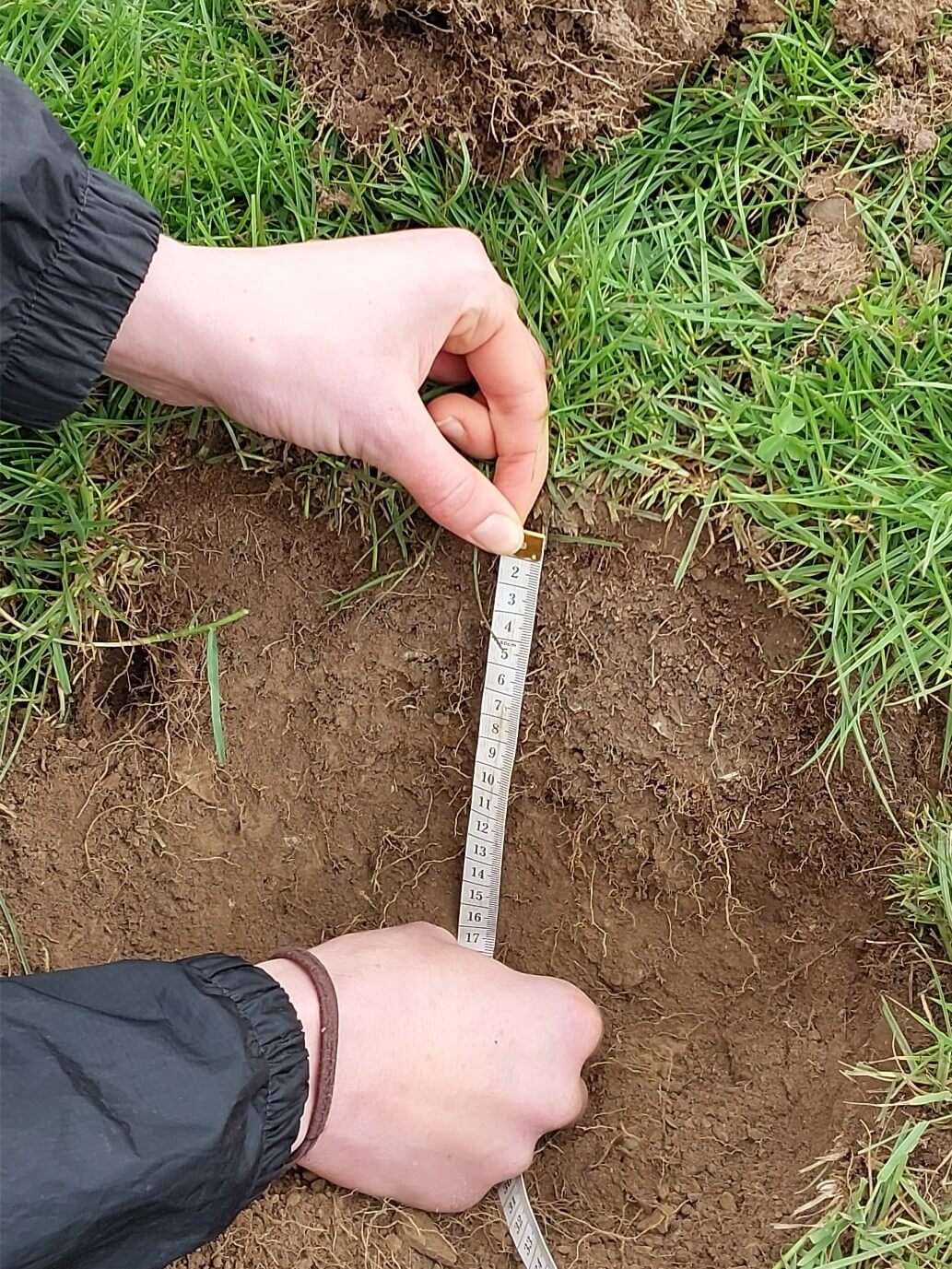

by David Watt
PhD Candidate
David is a PhD student at the Sydney Institute of Agriculture, University of Sydney. He previously completed BSci (hons) Biological Sciences and MSci Soil Science degrees at the University of Aberdeen. His research focuses on the impact of anthropogenic land use change on soil condition, employing machine learning and remote sensing techniques